daar - الدار
ongoing project - 78 pages
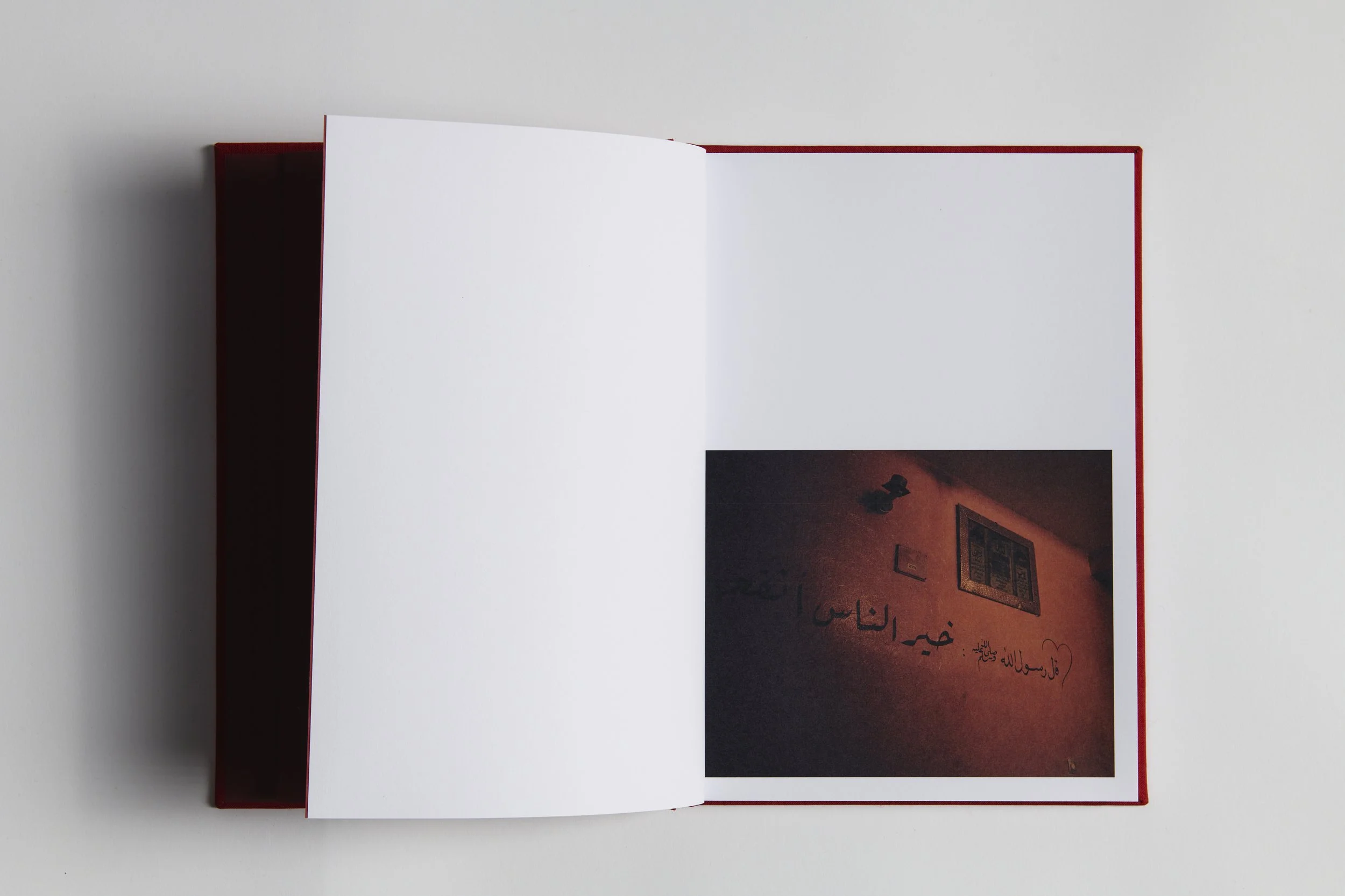
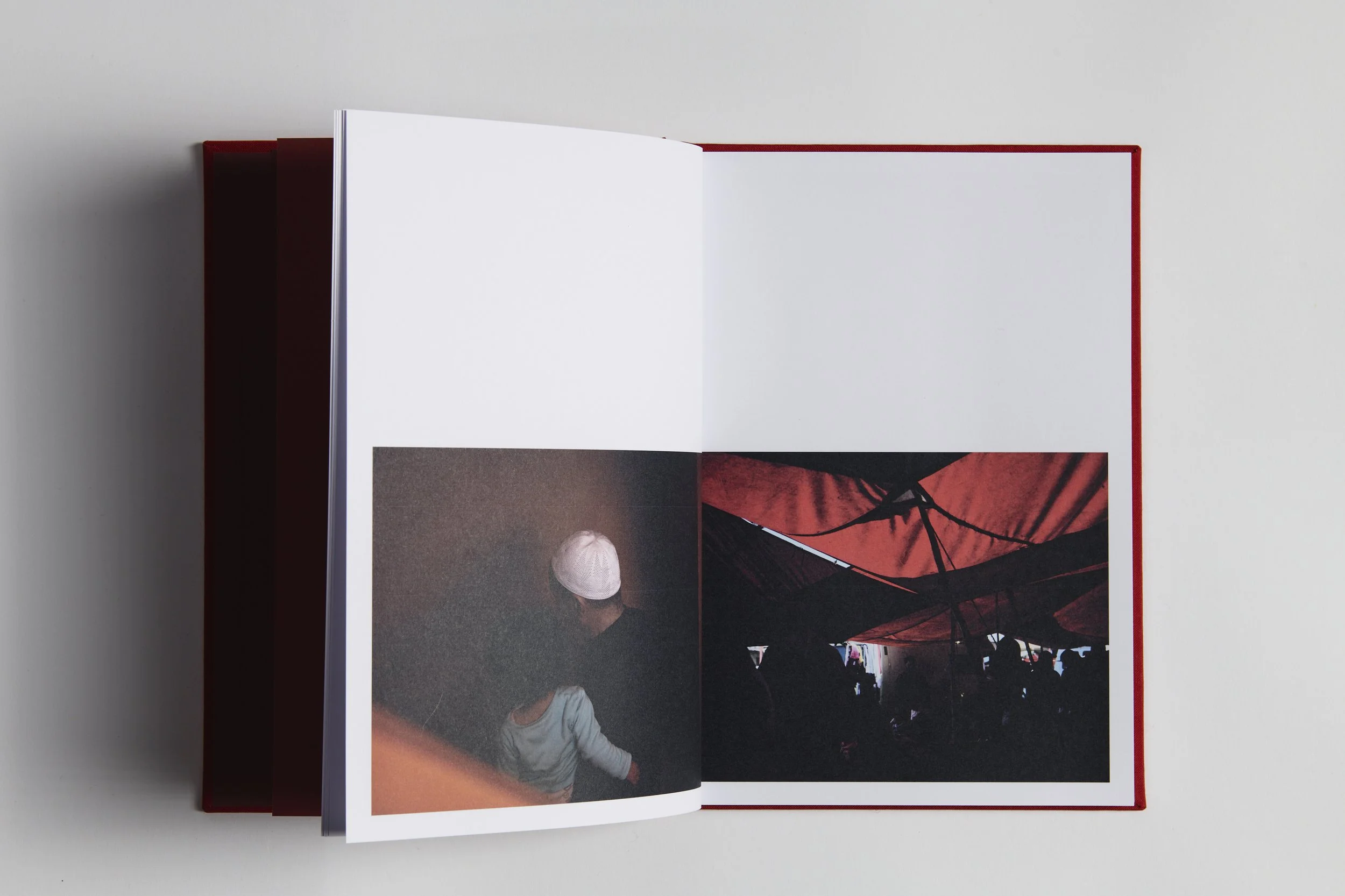
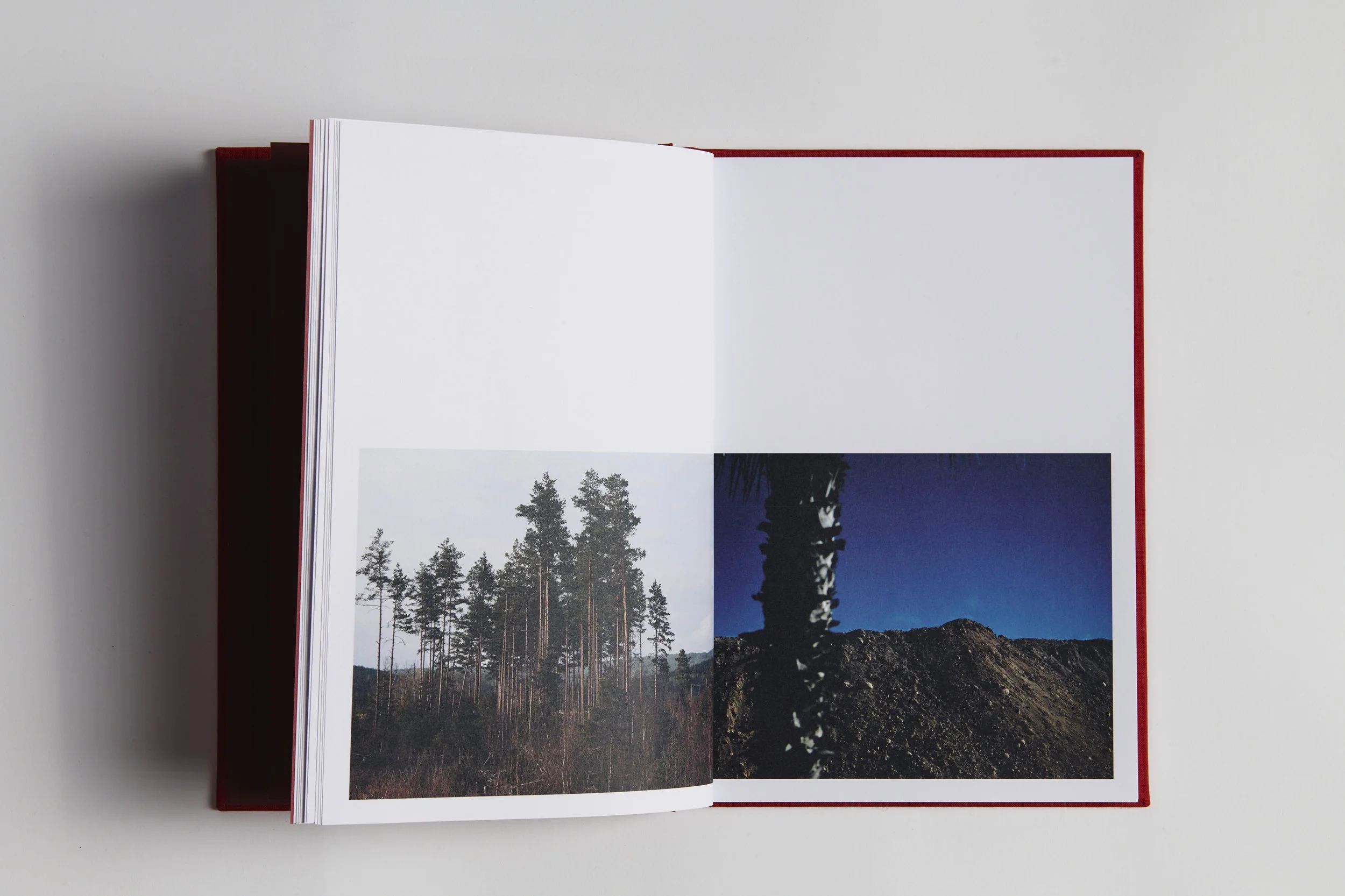
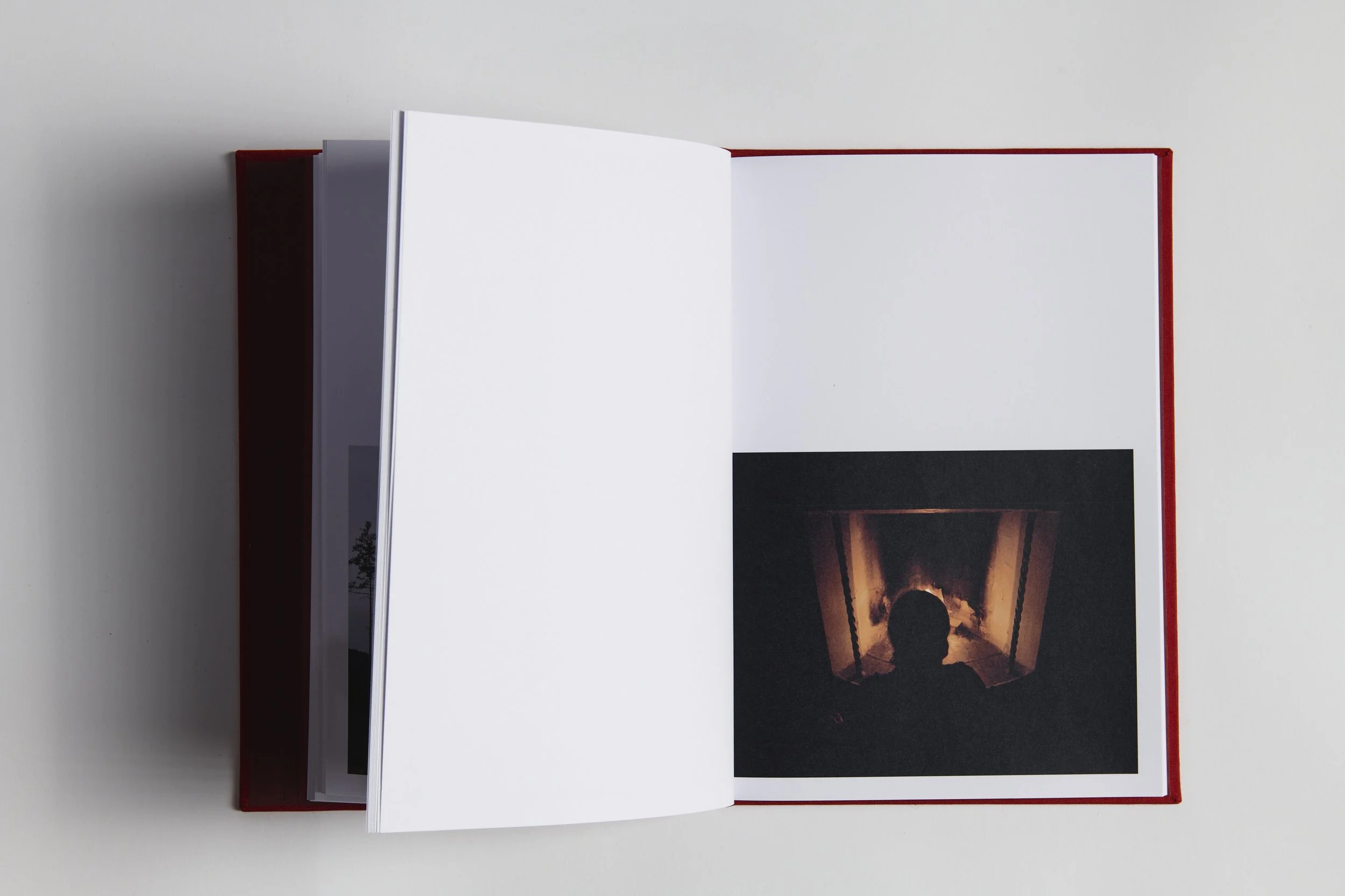
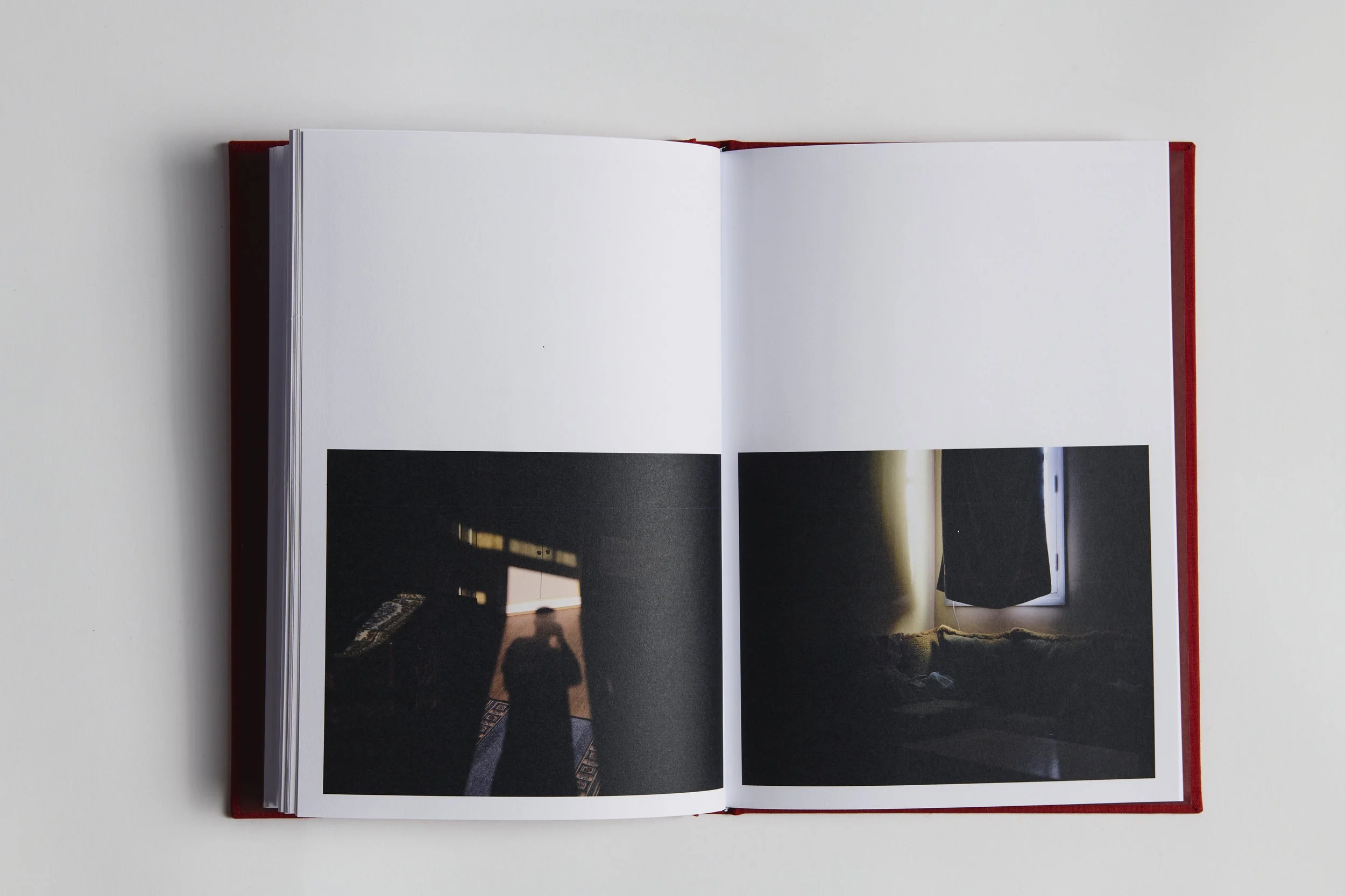
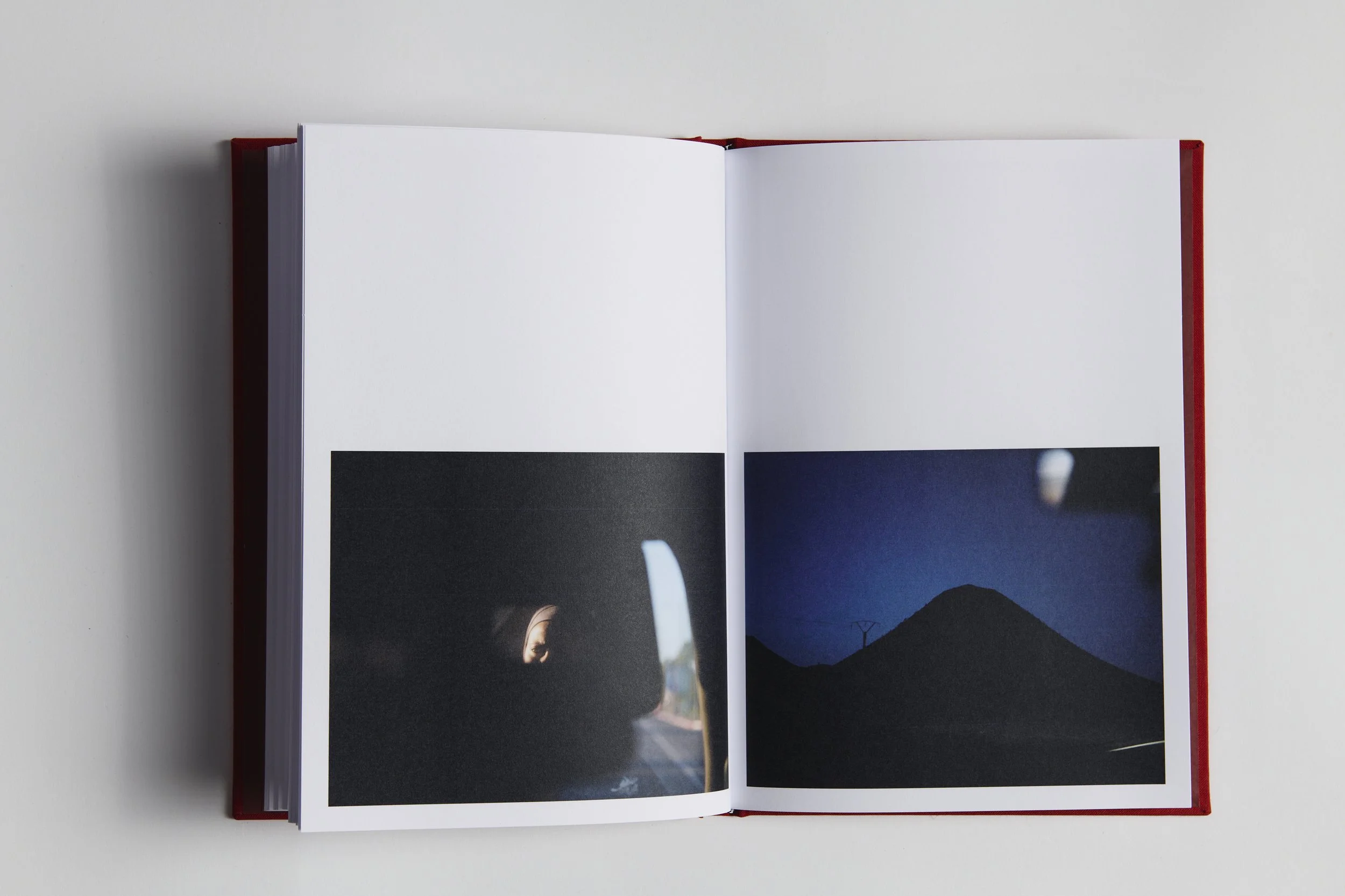
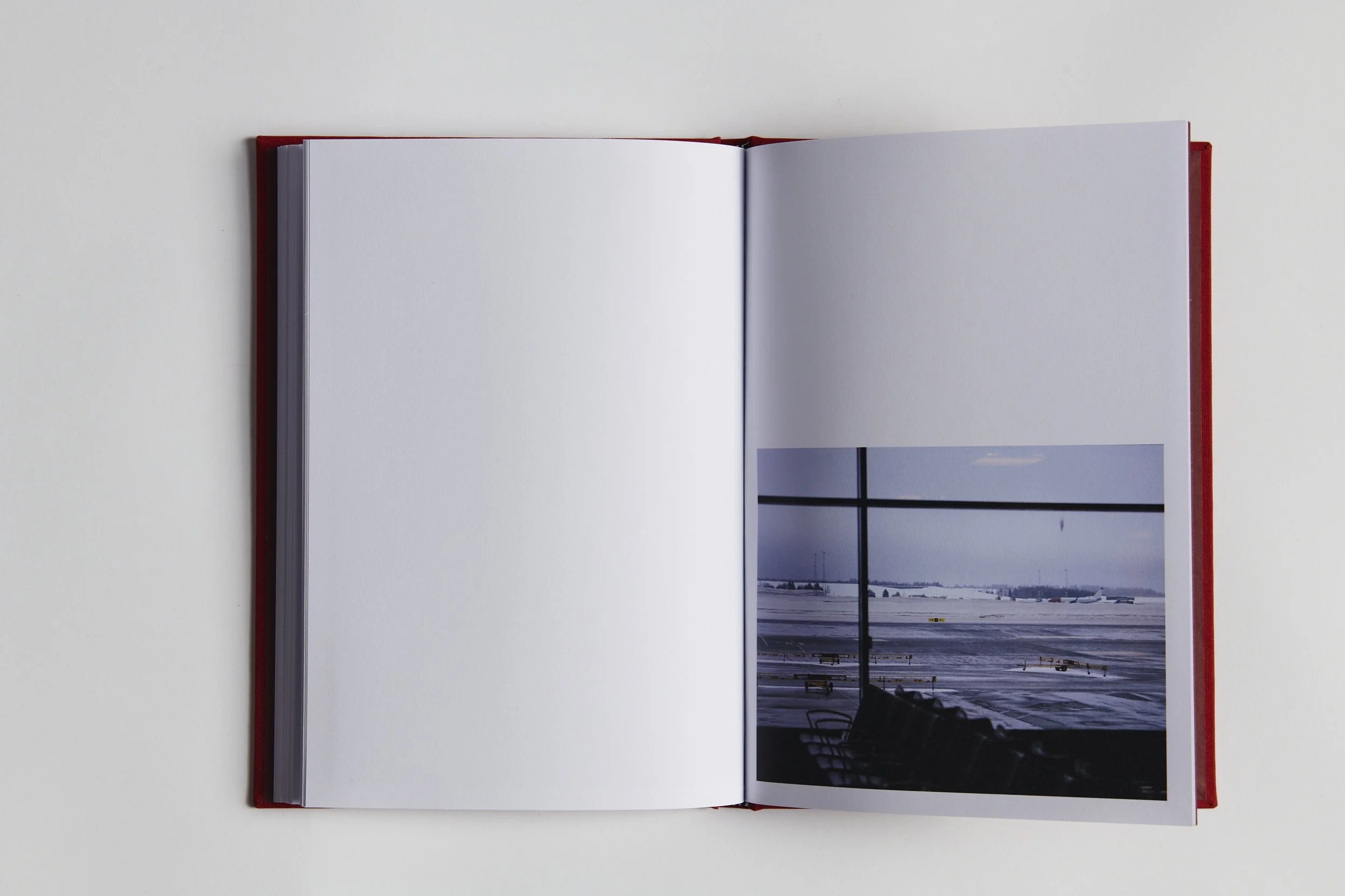
This is a return, not to reclaim what’s lost, but to trace the quiet lines between here and elsewhere. I move with questions more than answers, carrying fragments of places, languages, and names. Home has never been a single point, but something that shifts with memory and time. Between one place and another, I look for what remains, what connects me, and what still feels like mine, a whisper of place and time.Born to a Moroccan father and a Bosnian mother, and raised for 17 years in Italy before moving to Norway, I’ve always held fragments of cultures and languages that don’t neatly fit together. Migration runs through my family history, my mother fled war in Bosnia, my father left Morocco for economic reasons. Their paths crossed in Italy, but the need for better opportunities eventually pushed us to Norway. Each move added layers to my story, but also left parts of my identity feeling blurred or incomplete.Over the past year, I became increasingly curious about these missing pieces, especially the part of me tied to Morocco. I hadn’t been there in eight years. In that time, relatives had passed, others had married, and stories of loved ones crossing borders by boat reached me secondhand. I began to feel like an outsider to my own heritage.This project grew from that feeling of distance. I travelled to Casablanca twice, spending time with extended family and photographing daily life: the food they cooked, their routines, small gestures, the atmosphere in the streets and inside the home. At the same time, I documented my surroundings in Norway. I was drawn to the contrasts, between north and south, cold and warmth, silence and noise, and how they reflected my own inner divide.The photographs became a way to explore identity, memory, and belonging. Not by giving clear answers, but by capturing fragments, moments that reveal both separation and connection between two lives lived in parallel. I focused on quiet scenes and small details, using light and composition to reflect emotion and atmosphere.In the end, this work became a way of looking inward. Not to find resolution, but to make space for the complexity of growing up shaped by many places, where nothing fits perfectly, but everything still matters.